
Most professional services firms insure their offices, their people, and their income.
But there’s one question many business leaders only ask after something goes wrong:
“Do we have cyber insurance?”
No need to panic, you’re not alone.
Cyber insurance is one of those topics that often sits just below the surface. You might not be actively thinking about it, but a client question, an insurer’s renewal form, or a news story about a cyber attack can suddenly bring it to the front of your mind.
So, does your firm pay for cyber insurance — and more importantly, should it?
Why cyber insurance is now on the radar
Cyber attacks are no longer just a problem for large corporations or tech companies.
Professional services firms — including legal, property, accountancy and consultancy businesses — are increasingly targeted because they:
- Hold sensitive client data
- Handle payments and financial information
- Rely heavily on email, cloud systems, and remote access
As a result, cyber incidents such as phishing attacks, ransomware, or email fraud are becoming part of everyday business risk.
That’s why cyber insurance has quietly shifted from a “nice to have” into something many insurers, clients, and partners expect to see in place.
“We’ve never needed it before” – a common reaction
Many firm leaders only discover cyber insurance exists when one of the following happens:
- An insurer asks questions about cyber security at renewal
- A client requests confirmation of cyber cover
- A supplier requires proof of cyber resilience
- A near‑miss incident highlights potential exposure
At that point, cyber insurance can feel reactive — something you should have sorted earlier but didn’t realise was necessary.
This is completely normal. Traditionally, cyber risk wasn’t discussed in clear, non‑technical terms. But expectations have changed rapidly over the last few years.
What cyber insurance actually covers (in simple terms)
Cyber insurance is designed to help your firm recover after a cyber incident.
Depending on the policy, this may include:
- Costs to investigate and contain a breach
- Business interruption and loss of income
- Data recovery and system restoration
- Legal and regulatory support
- Notification and reputation management
What catches many firms out is that cover is not automatic. Insurers increasingly assess whether you have suitable cyber security controls in place before offering, or honouring, a policy.
The uncomfortable truth: insurance alone isn’t enough
This is where many firms are surprised.
Insurers don’t just sell cyber insurance anymore – they underwrite risk. That means they want to see evidence that your firm takes cyber security seriously.
Common questions now include:
- Do you use multi‑factor authentication?
- Are systems kept up to date?
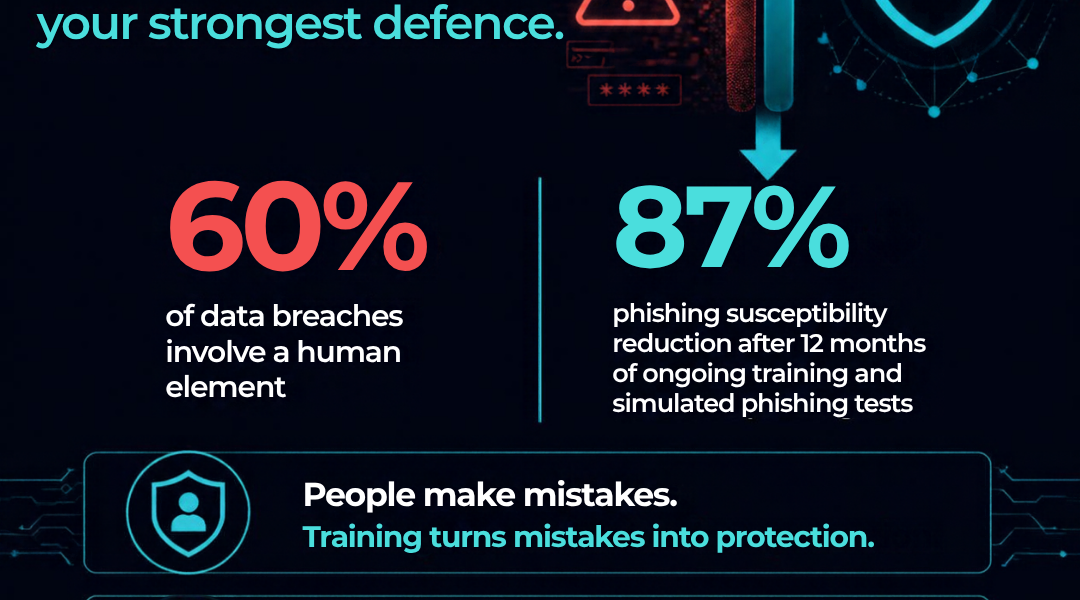
- Is staff security training in place?
- How is backup and recovery handled?
- Do you follow recognised security standards?
Without these basics, premiums increase or claims may be disputed.
For many professional services firms, this is the moment they realise cyber insurance and cyber security are inseparable.
Is cyber insurance expected in professional services?
While not legally mandatory for most firms, cyber insurance is increasingly expected.
Clients want reassurance that:
- Their data is protected
- There is a plan if something goes wrong
- The firm can recover without chaos or disruption
In some sectors, having no cyber insurance — or being unable to demonstrate basic controls — can raise uncomfortable questions during onboarding, audits, or tenders.
This is why many firms now look at cyber insurance not just as protection, but as part of their professional credibility.
Thinking about cyber insurance for the first time?
If this article has made you think “we should probably look into this”, that’s a good thing.
The most effective approach is not to rush into a policy, but to:
- Understand your real cyber risks
- Review whether your current systems meet insurer expectations
- Put sensible, proportionate controls in place
- Then speak to insurers with confidence
Frameworks such as Cyber Essentials are often used as a baseline to demonstrate good cyber hygiene, particularly for UK‑based firms, and can make insurance conversations significantly smoother.
A final thought
Cyber insurance isn’t about assuming the worst – it’s about being realistic.
Most professional services firms would never operate without professional indemnity or employers’ liability cover. As digital systems become central to how firms operate, cyber risk is simply another part of modern business responsibility.
If you’re not sure whether your firm pays for cyber insurance, or whether you could confidently answer questions about your cyber security, now is the right time to find out.
It’s far better to address it calmly, on your own terms, than to be forced into decisions after an incident or an awkward client conversation.
For more information about cyber security including Cyber Essentials, contact us.